
A house on the barrier island sits in damp air for most of the year. Add a few weeks of being closed up and a musty smell can show up before anyone sees a stain. The question owners and buyers ask us most is simple: is this mold, and do I need a test?
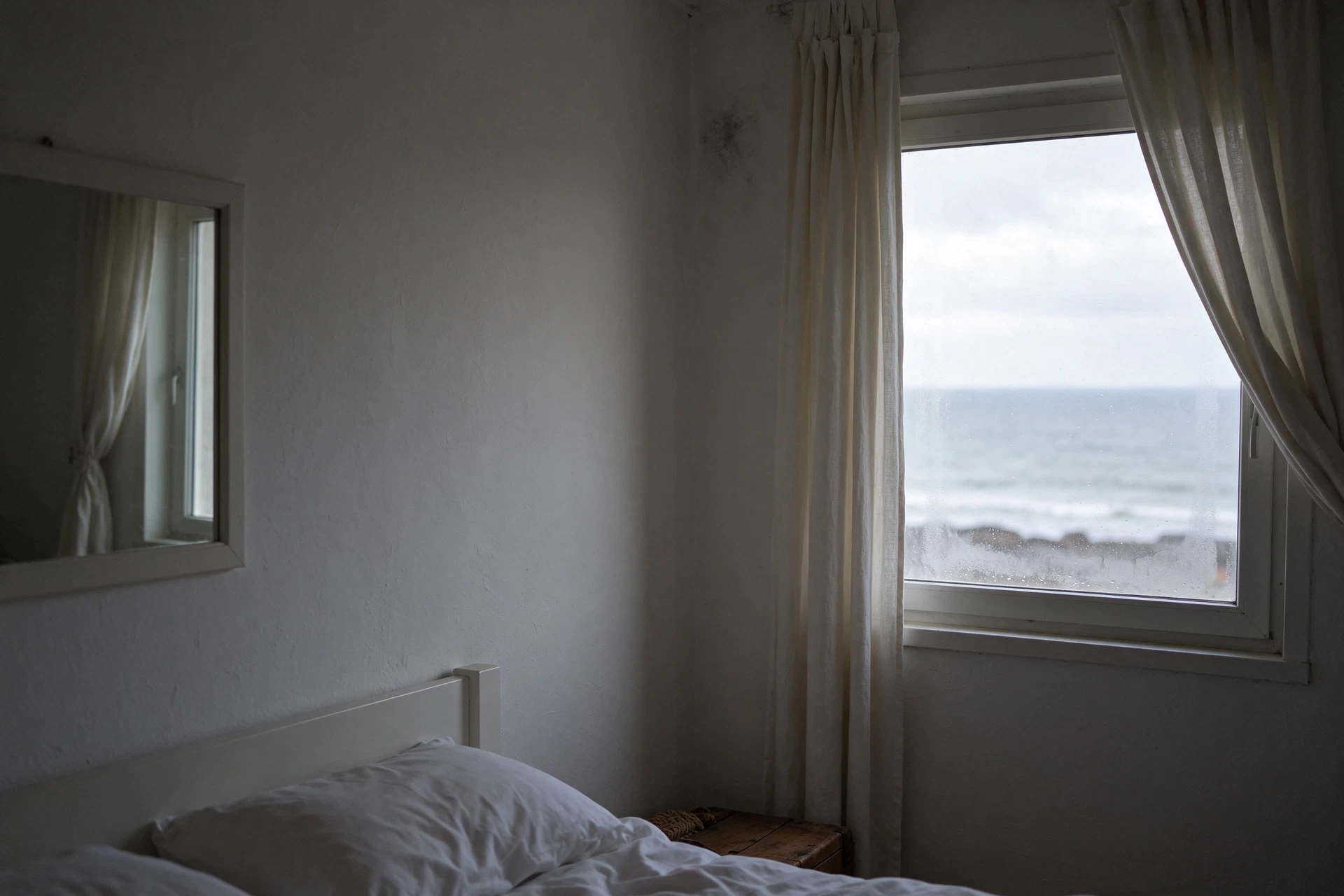
Why Ortley Beach homes run damp
Salt air, humidity, bay breezes and frequent storms all push moisture toward a house. Many Ortley Beach homes are seasonal, which means the air handler runs less and rooms sit shut. Mold needs moisture, a food source such as drywall paper or wood, and time. Closed rooms with no airflow provide all three.
Signs worth taking seriously
What you can see
Dark or fuzzy spots in corners, on ceilings or at the base of walls, peeling paint, bubbling drywall and water rings are the clear ones. Look behind furniture pushed against exterior walls and inside closets.
What you can smell
A stale, earthy odor that is stronger in one room usually means moisture is hiding nearby. It might be a slow leak, a poorly vented bathroom fan or a cold wall where condensation forms.
What you may feel
Some people get stuffy noses, itchy eyes or a cough that eases when they leave the house. That does not prove mold is the cause, but it is a good reason to look further.
Do you always need a test?
Not always. If you can see mold on a small, hard surface and the cause is obvious, such as a dripping window, fixing the moisture and cleaning the area may be enough. Testing is most useful when you smell it but cannot find it, when you are buying and want a baseline, or when someone in the home has health concerns and you want facts before spending money.
How a mold test works
We start with the inspection itself: a look at the roof, plumbing, windows, ventilation and crawl space for the water source. Then we take air samples inside and compare them with a sample from outdoors. Surface samples can be added where something looks suspicious. Samples go to an independent lab and you get a written report with the findings.
The air sample is only a piece of the picture. A test without finding and fixing the moisture just gives you a number. The real value is tying the result back to a cause. You can see the full process on our mold testing page.
What to do next
Run a dehumidifier in damp rooms, keep bathroom and kitchen fans working, and leave closet doors open when the house is empty. Closed shore houses need extra care in the off-season, and our post on closing up a Long Beach Island house for winter has a checklist you can use here too.
If you suspect more than mold in the air, indoor air quality testing looks at the whole house. And if you are buying a home with a basement, pair this with radon testing in Brick so the lower level is checked once.
A note on cleanup
If a test finds elevated spores, fixing the moisture comes first. Cleaning without fixing the source means the problem returns within months. For larger areas, a licensed remediation company should handle the work, and a follow-up test shows whether the air has returned to normal. Small patches on hard surfaces can usually be cleaned by the homeowner with the right precautions.
Rentals and second homes
Owners who rent weekly often miss early signs because the house is occupied by people who do not stay long. Check bathrooms, window sills and the area around air conditioners between guests.
We test in Ortley Beach, Seaside Heights, Lavallette, Toms River and nearby towns. Call or text Ted at 609-312-6035.