
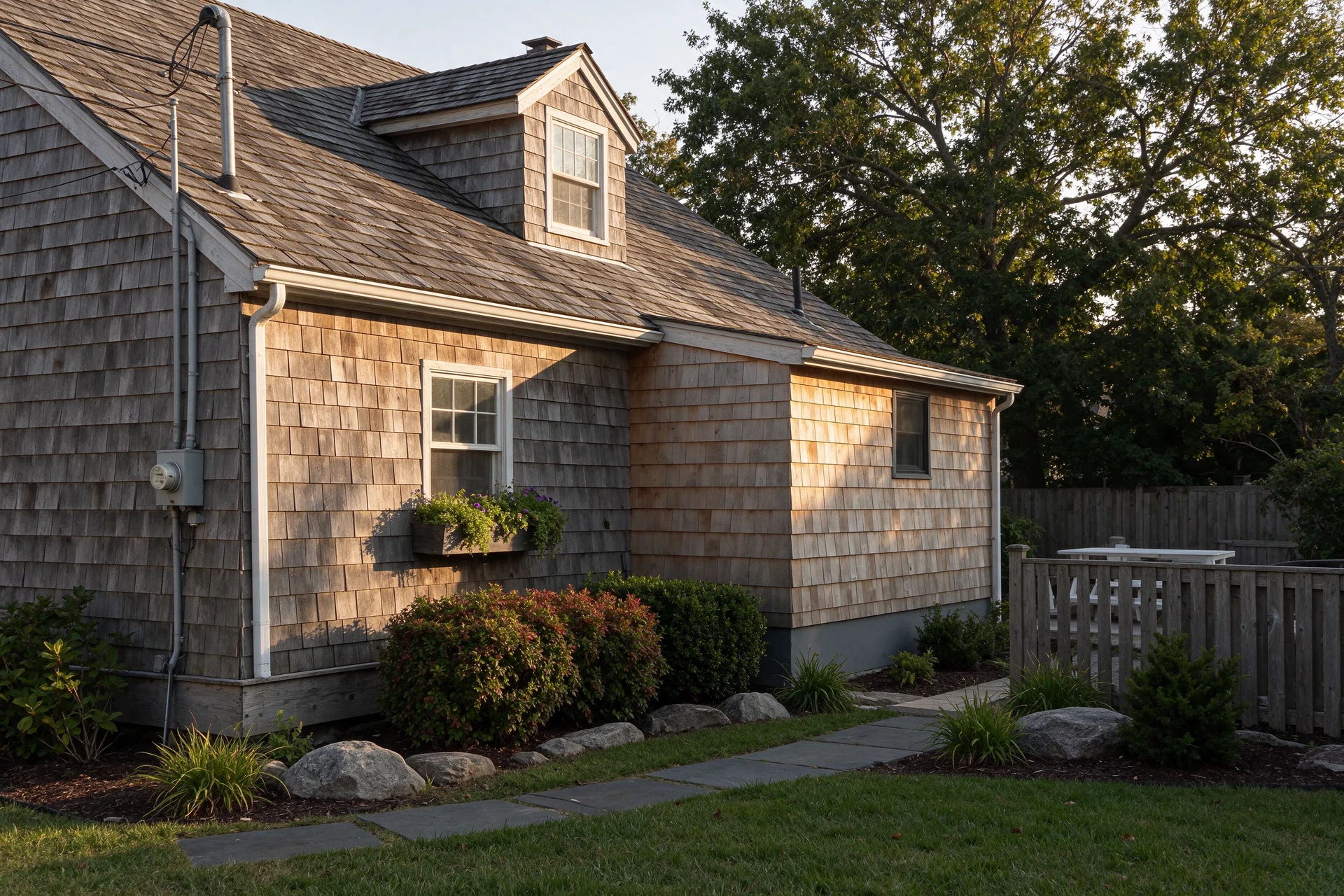
There is real charm in a small shingled cottage a few blocks from the beach in Point Pleasant Beach. There is also a good chance it has been added onto, rewired and patched several times over the decades. A good inspection helps you separate the character from the problems.
Start with the electrical system
Older cottages were built when a few lights and a radio were the whole load. Today's kitchens, window units and chargers ask a lot more of the wiring. We open the panel and look at the service size, the type of wiring, grounding and whether breakers and fuses match the wire behind them.
What we flag
Ungrounded outlets, cloth-covered wiring, buried splices, overloaded circuits and do-it-yourself work that was never finished properly. Older wiring is not always an emergency, but an electrician's opinion before closing is smart.
Look closely at the additions
Most older cottages have grown. A porch became a room, a rear kitchen was added, an attic was finished. Each change introduces a seam, and seams are where water, air and movement show up.
- Roof valleys and flashing where a new roof meets an old wall.
- Floor levels that do not match between old and new sections.
- Heating and cooling that was never upsized for the added space.
- Foundation type changes, such as a slab addition tied to an older crawl space.
Foundations and moisture
Shore soils are sandy and the water table is high. Older foundations can be block, brick, stone or posts on footings. We look for cracking, settlement, efflorescence and signs of past standing water. In crawl spaces, we check insulation, vapor barriers and ventilation, plus the plumbing hung under the floor.
Sandy soil also means sill plates and floor framing close to grade, which is why we pair many of these visits with a termite inspection. Our post on termite inspections in Manahawkin explains what that report covers.
Heating, plumbing and the roof
Old heating systems vary a lot, from steam and hot-water boilers to forced air that was added later. We check age, condition and visible safety items. Galvanized pipes can corrode from the inside, so we watch for low water pressure and discolored water. Roofs on small cottages are often on their second or third layer, which affects how much life is left.
Hidden history
If the house had oil heat once, a buried tank may still be in the yard, so ask about oil tank sweeps in Point Pleasant. And if you are looking at a historic wood-frame house farther south, our Cape May post goes through what is different there.
What to ask before you make an offer
Ask the seller which work was done with permits, when the roof and heating system were last replaced and whether there has been any flooding. Request invoices for major projects. Answers do not replace an inspection, but they tell you where to look first.
Budgeting for an older house
Plan on spending something in the first year. Even a well-kept cottage needs maintenance, and surprises are easier to manage when you have a cushion and a written list from your inspector.
Permits and past work
Older shore homes often have work done without permits. We cannot verify permits during an inspection, but we can tell when something looks homemade or inconsistent. That is useful information for your attorney and for any insurance conversation, and it helps you decide how much to trust the house as it stands.
A cottage can be a very good buy when you know what you are getting. See the full process on our home inspection page. We inspect in Point Pleasant Beach, Bay Head, Mantoloking and nearby towns. Call or text Ted at 609-312-6035.