
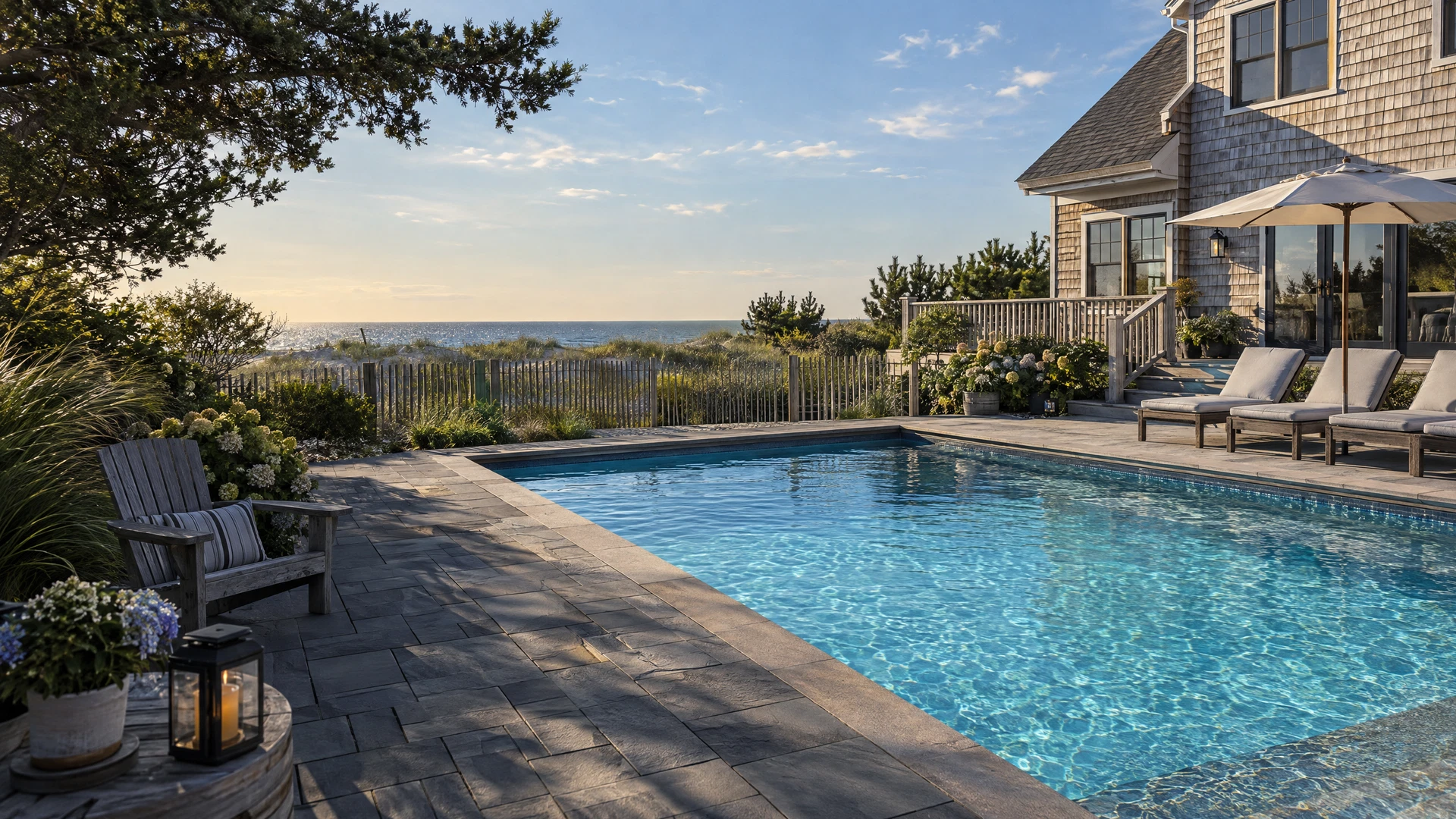
Accessible Equipment and Components
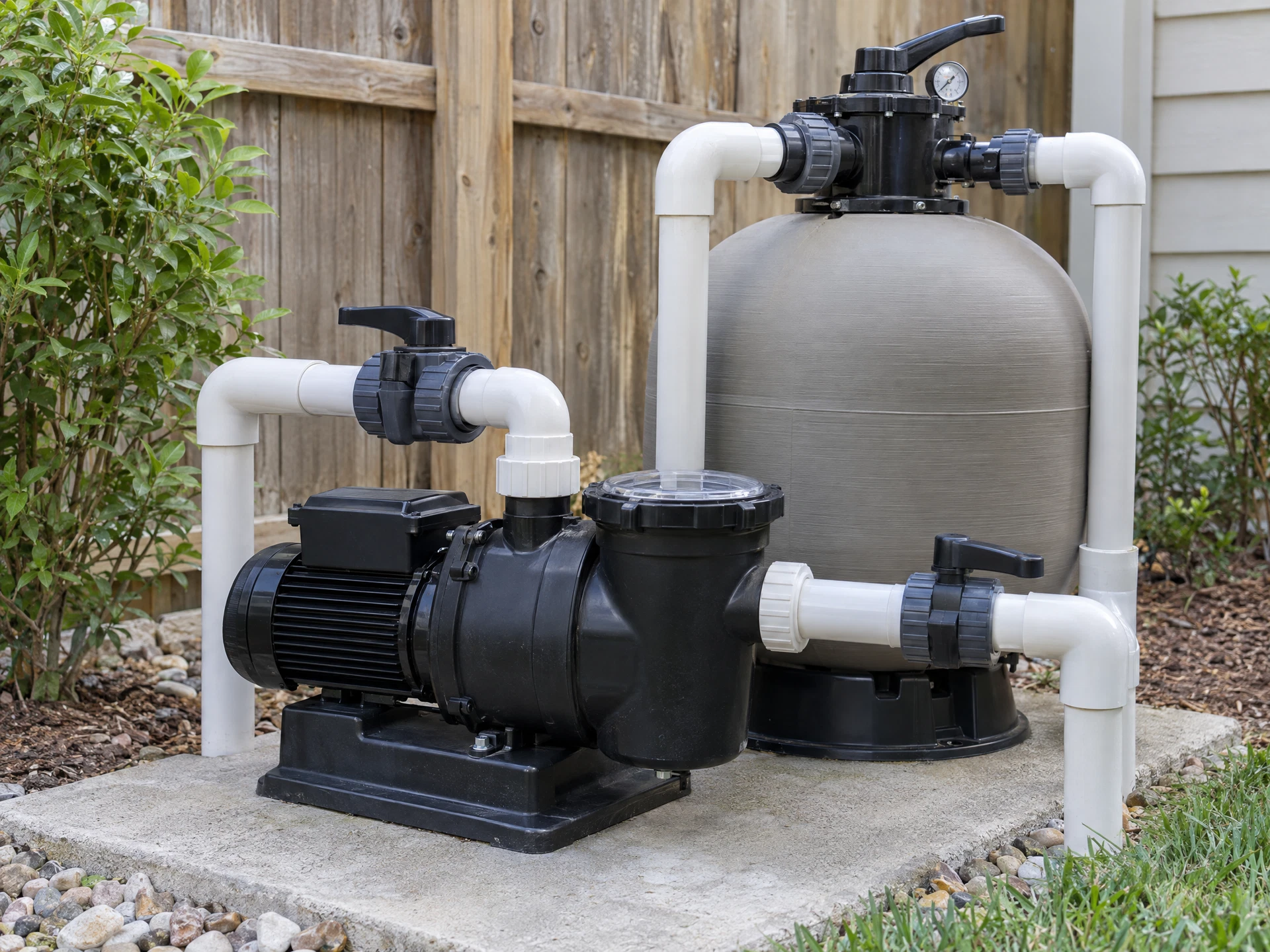
The inspection focuses on components that can be approached safely and observed without dismantling equipment. These include visible pumps, filters and exposed piping, along with accessible heaters where present. A drip at a pipe connection or visible damage to a filter housing may warrant attention even when the pool looks inviting.
Operating observations depend on the equipment being in service and responding to normal controls. Seeing a pump run is useful, but it does not establish the condition of every internal part or predict how long the equipment will last. Confirm the agreed scope before the visit, particularly if the pool has additional features.
Pool Surfaces and Surrounding Walkways
Visible interior finishes, steps and the pool's edging can provide clues about its condition. The edging, often called coping, is reviewed alongside adjacent walking surfaces and accessible handrails or ladders. Loose edging or an uneven deck joint matters differently from a minor cosmetic mark.
Water, a cover or debris can conceal surfaces. A visual inspection does not establish the pool shell's structural integrity or rule out leakage through buried plumbing.
Barriers Deserve Attention
Pool access is part of the review, not an afterthought. Visible fence gaps, damaged sections and gates that fail to close or latch are examples of concerns worth identifying. Nearby objects that could help a child climb a barrier also deserve attention.
The U.S. Consumer Product Safety Commission recommends self-closing, self-latching pedestrian gates and emphasizes that barriers cannot replace adult supervision. Inspection observations are not a municipal compliance approval or a certification that a pool is safe. Confirm applicable requirements with the local building department.
Plan Around Seasonal Conditions
A winterized pool presents a different inspection opportunity from one that is open and operating. Shut-down equipment is not restarted simply to complete an inspection, and conditions that could cause damage limit operation. A cover may leave much of the interior out of view while accessible equipment and surrounding surfaces remain available for observation.
Before the appointment, ask the owner about the pool's operating status and arrange access to the equipment area. If seasonal opening is needed, have the owner's pool professional handle it beforehand. A component that could not be evaluated should remain an open question, not be treated as satisfactory.
Understand the Findings and Limits
New View's reports include full-color photos, clear descriptions and summaries, delivered within 24 hours. Use the findings to discuss observed concerns with the seller or a qualified pool professional and decide what needs further evaluation. For a purchase, review unresolved items before your inspection contingency ends rather than assuming seasonal opening will answer them.
The inspection describes conditions observed that day. It is not water chemistry testing, an exhaustive equipment assessment or a guarantee against hidden defects. New View provides inspection information, not pool repairs or remediation.