
Start with the moisture history
Mold needs moisture to grow. A roof leak above a bedroom, a slow drip inside a vanity, or condensation on a cold pipe can matter more than the appearance of a stain. Testing makes more sense when those details are considered alongside the area of concern.
Think back to when you first noticed the odor or discoloration. Did it follow a storm, a plumbing repair, or reopening a house after time away? Photographs of earlier damage and records of repairs can help explain conditions that are no longer visible.
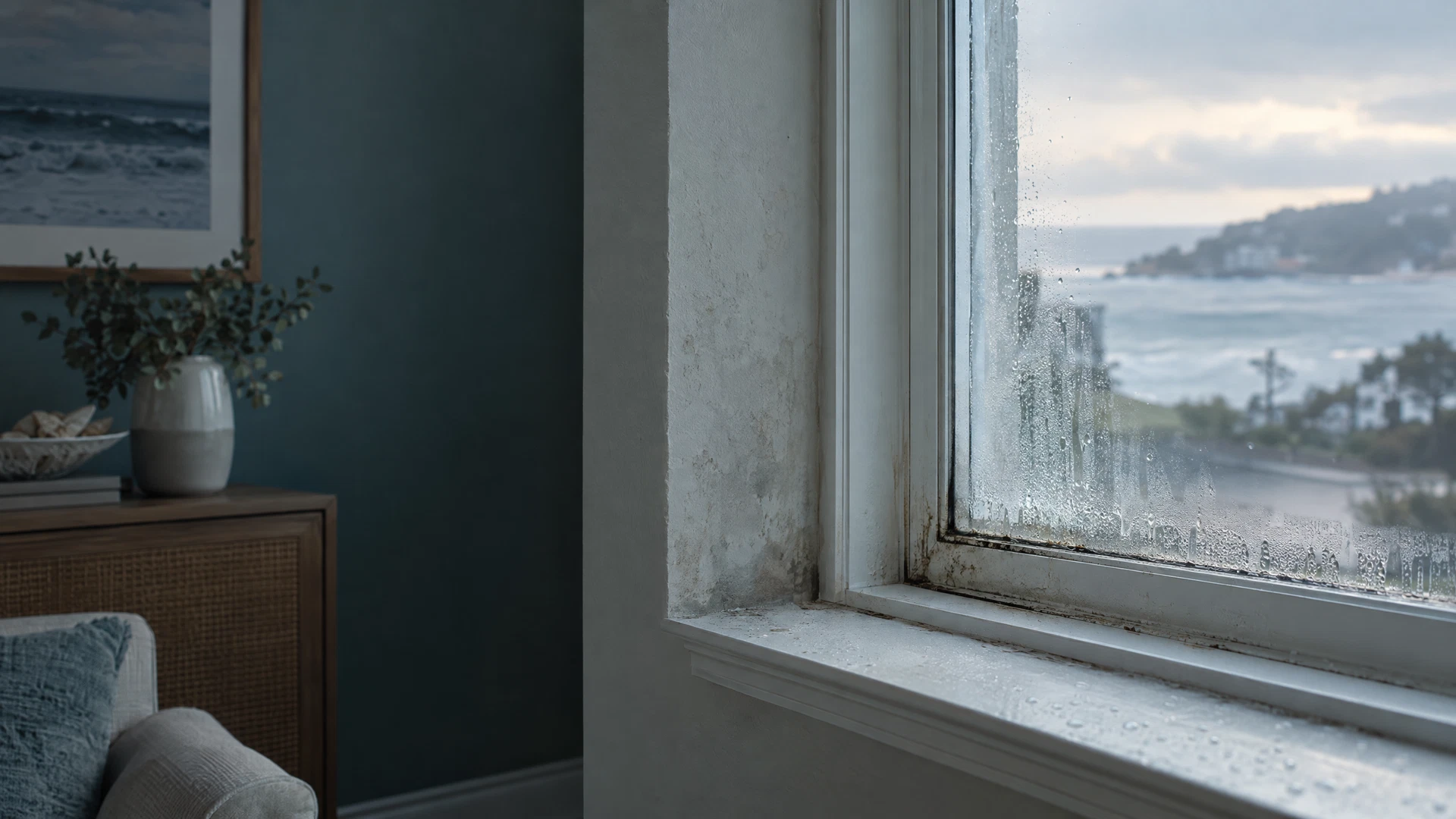
Humidity in a coastal home
During humid weather at the shore, pay attention to rooms that stay damp and surfaces that collect condensation. A closet behind furniture or a bathroom with lingering moisture may warrant attention even when the rest of the home looks well maintained.
For a home used seasonally, note how humidity is managed while it is unoccupied. Include any changes in air conditioning or dehumidifier use when describing the concern. An odor that fades after the house is opened up does not, by itself, explain where the moisture came from or whether it will return.
EPA recommends keeping indoor relative humidity below 60 percent, ideally between 30 and 50 percent when possible. That is moisture-control guidance, not a mold-test passing score. Addressing a leak or persistent condensation remains important regardless of what a sample finds.
When sampling adds useful information
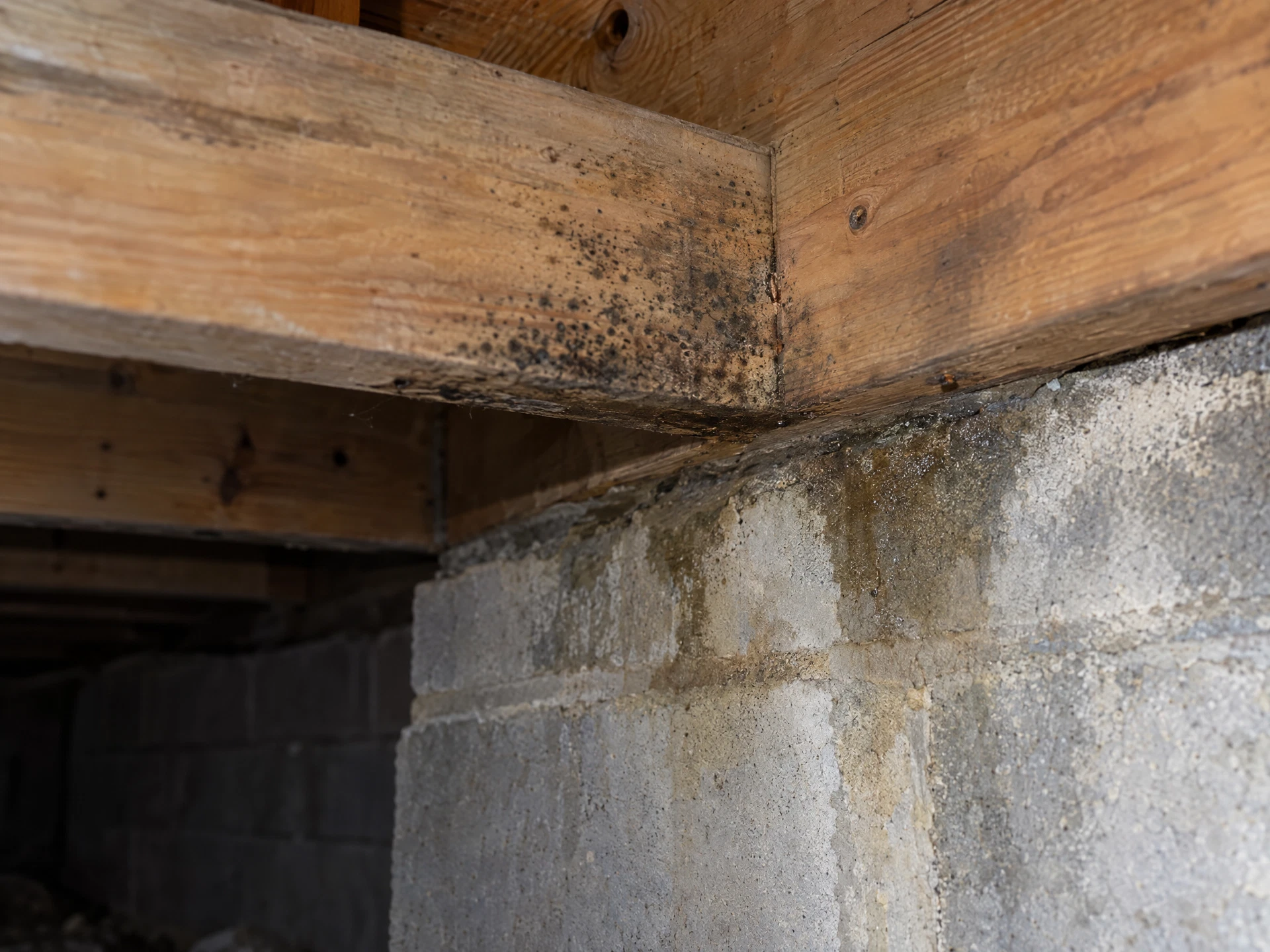
Sampling should answer a specific question. For example, an uncertain patch may be mold, soot, or dirt; a carefully selected sample may help distinguish them. The purpose and limits of the proposed testing should be clear before samples are collected.
If mold growth is already visible, EPA says sampling is usually unnecessary. Identifying a type does not replace addressing the moisture problem. A musty odor without an obvious source calls for careful investigation, but testing alone may not locate growth concealed behind drywall or beneath flooring.
Read results in context
An air sample describes conditions during the collection period, not every room or every season. A negative result does not rule out hidden mold. Sample location and the observations made at the property are part of interpreting the findings.
There are no federal limits for airborne mold spores, and short-term counts cannot determine an individual's health risk. A laboratory result is not a blanket declaration that a home is safe or toxic. Medical concerns belong with a healthcare professional, not an inspection report.
Prepare for a focused conversation
When discussing mold testing with New View, describe the affected area and any known water damage. Mention whether the concern is a recurring odor or a mark that has changed. Ask what question the proposed sampling will answer. New View provides inspection and testing services, not mold removal or remediation.