

Look beyond the heating system
A house converted to gas or electric heat may still have an older oil tank underground. Renovated interiors and freshly landscaped grounds do not establish whether a previous tank was removed. A sweep is a focused due-diligence step, especially when the seller is unsure about the home's heating history.
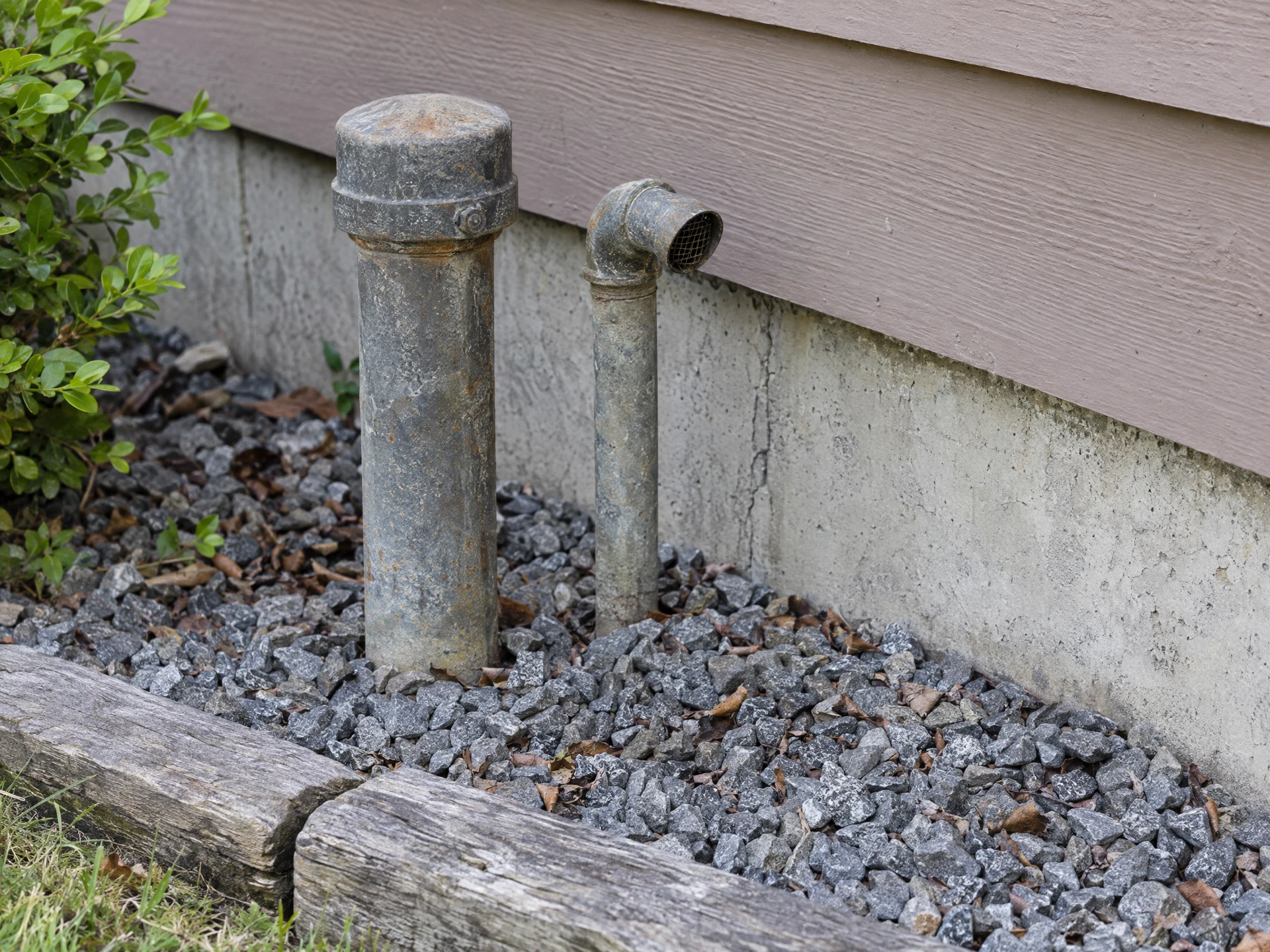
An old fill pipe near the ground or a vent pipe along an exterior wall can be a clue worth investigating. Neither proves that a tank remains, and the absence of visible pipes does not settle the question. Share any known tank location or earlier oil-heating history when arranging the service.
Start with the paper trail
Ask the seller for tank-removal or abandonment records, contractor paperwork and any related environmental reports. For example, a receipt saying a tank was pumped out does not explain whether it was subsequently removed or left in place. Compare what the documents describe with the property and the seller's account. A useful record should identify the property, the work performed and where the tank was located. Keep copies available so an unexplained finding can be compared with the documented removal area.
In New Jersey, municipal records are a useful place to request tank-removal permits. If a reported leak was investigated, ask for the associated cleanup documentation. A No Further Action letter is not issued for every tank removal; NJDEP explains that one is unnecessary when there was no evidence of a discharge and the tank passed municipal inspection.
Access affects the answer
Discuss the areas to be evaluated and any access restrictions before the appointment. A locked side yard, low deck or storage covering part of the grounds can leave areas inaccessible or limit assessment. Arrange permission to access the property and clear movable obstacles where practical.
Read any coverage limitations alongside the findings. An area that could not be assessed should remain an open question, rather than being treated as an area where no tank exists.
An anomaly needs follow-up
An unexplained finding is a reason for further assessment, not automatic confirmation of an oil tank. Its location and the available records can help guide the next step. If a tank is suspected or identified, a qualified tank or environmental professional may need to investigate further.
A sweep is not environmental clearance. It does not establish soil or groundwater conditions, determine whether a tank has leaked, or guarantee that no buried tank is present. NJDEP also cautions that a tank properly abandoned in place can still have contamination discovered later. New View provides inspection services, not tank removal or remediation.
A few useful answers.
When should I arrange a tank sweep?
Allow time during your purchase due-diligence period to review records and resolve findings. Ask your real estate professional about the deadlines in your agreement rather than leaving unanswered tank questions until closing.